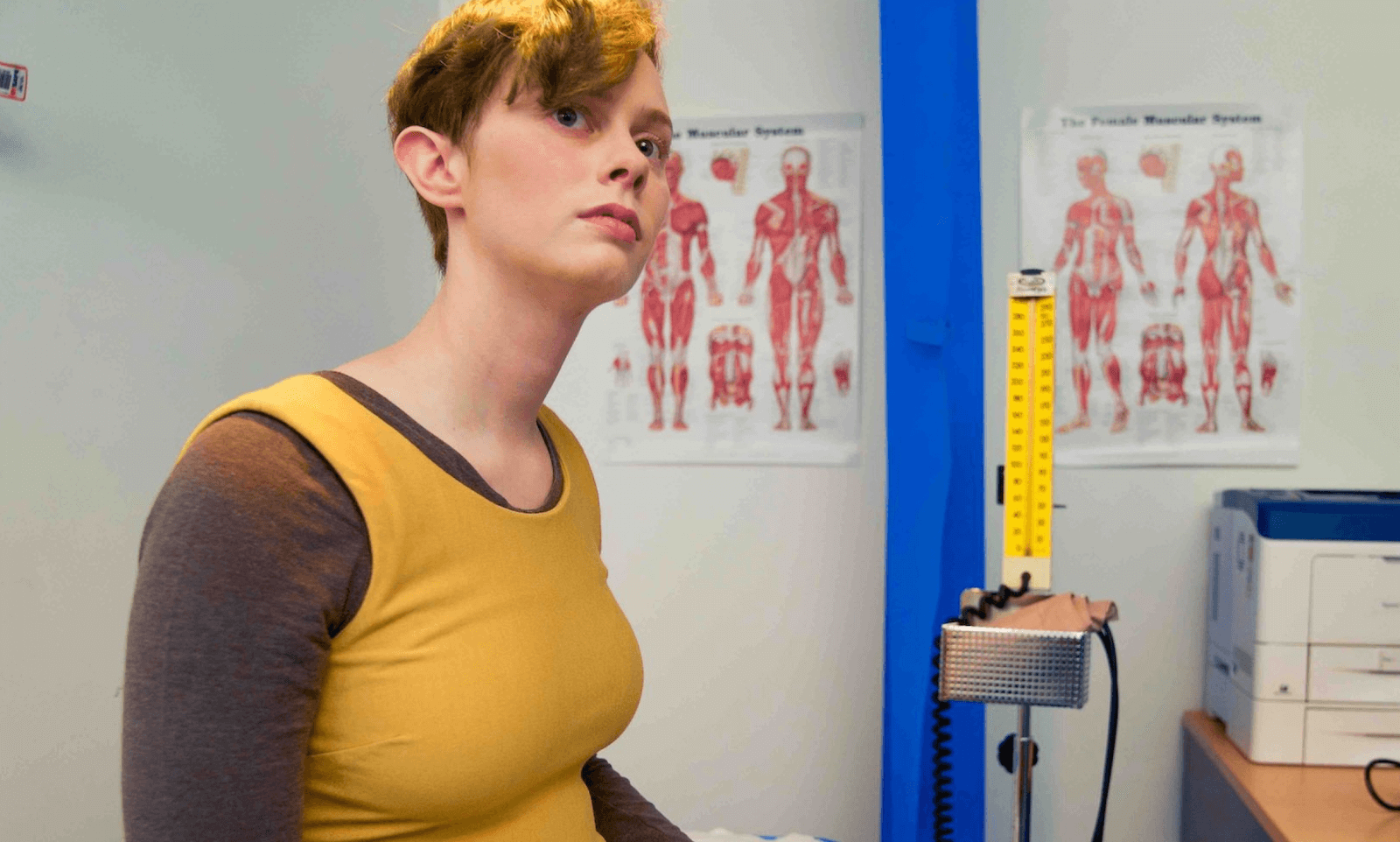
Navigating the medical space as a trans person
Being trans comes with a lot of challenges, the medical industry being a big one. If you wish to pursue medical transition, there are a lot of hurdles to jump over. 22% of transgender individuals feel unsure or anxious around seeking medical help¹, and fear that the medical professionals they pay to see may not be adept at understanding the specific issues that face trans people.
Ultimately, what is required is a BIG systematic change in how doctors, surgeons, nurses, psychologists and medical professionals in general are educated, to ensure long term positive change in the medical sector. Until then though, you may encounter uncomfortable or negative experiences with medical professionals, so here are a few pieces of advice to ensure that you are prepared.
Be prepared
One of the most important things to do in preparation of a medical appointment is to do your research. Is it is a trans-specific problem you are seeking help for (e.g. hormones, puberty blockers or surgery), make sure that you have an idea of what the procedure or treatment is and how you want it to affect you.
One of the most common problems that trans people face is medical professionals not being sufficiently educated in trans-specific issues. Being aware of the process beforehand mean less chance of anxiety while seeing a professional. Doing your research on practitioners who are LGBT/trans friendly will reduce many issues that seeing non-LGBT/trans friendly professionals come with.
Be open about your identity if it's safe
If you are comfortable being ‘out’ to your doctor, do so. Often, they can facilitate name changes in their patient record systems without documents and can record your preferred pronouns to make sure they get it right for next time.
Obviously, only come out if you feel safe to do so, and if you feel that the professional will take it in a positive way. Unfortunately, transphobic medical professionals exist in every position, and it always depends on your own personal circumstance on whether you believe you should come out or not.
There isn't a whole heap of data on transgender or gender non-conforming health statistics, so some doctors are not as educated as they want to be. Society is changing, but a process like this takes time. Ask any older trans person and they will tell you that the state of the health system five or 10 years ago was very different for the trans community, but it is getting much better.
Search outside your town/city
Trans and LGBT-specific practitioners are often located in city centres and not in rural areas, which means that people living outside transport range for these clinics often miss out.
Many professionals can operate the same service (especially for GPs, psychiatrists and psychologists) over video call, meaning that more people can seek the advice they need. Don’t be afraid to ask if you need to talk to a professional over technology rather than in person, because with the ever-increasing technology prevalence, it will become easier and easier.
Don’t be afraid of seeking help
28% of trans people do not seek the medical help they need² (which goes up for trans people of colour and disabled trans people) because of the fear of discrimination or refusal of treatment. Refusing service because of someone’s gender identity, intersex status or sexual orientation is illegal and unlawful under the Sex Discrimination Amendment Bill of 2013³. Remember that you are always within your rights to expect high quality service and treatment without discrimination.
And remember:
As a transgender person, you deserve high quality medical carewithout fear of judgement or refusal of service! Never feel ashamed of asking for help, whether it be from a trusted friend or from a medical professional, as they are always there to help you.
² http://blog.lighthouse.lgbt/10-stats-lgbtq-healthcare/
³ https://www.legislation.gov.au/Details/C2013A00098
Our friends at Escape Velocity made an incredible short film about navigating the medical space, based on stories from trans and gender diverse young people in Melbourne. Check it out here >>
Related articles
From December 10, big changes are coming for anyone in Australia under 16. Here's how we'll support you to remain connected with your community.
Trans Day of Remembrance is an important opportunity to honour those who have lost their lives to transphobic violence, and take a stand against transphobia.
Labels can be comforting – a way to find people who understand you, and proof that you’re not alone. But it's also okay if you're still figuring it out.

Uncertainty can be beautiful. Being “in-between” labels, between versions of ourselves, is part of life.